Materials
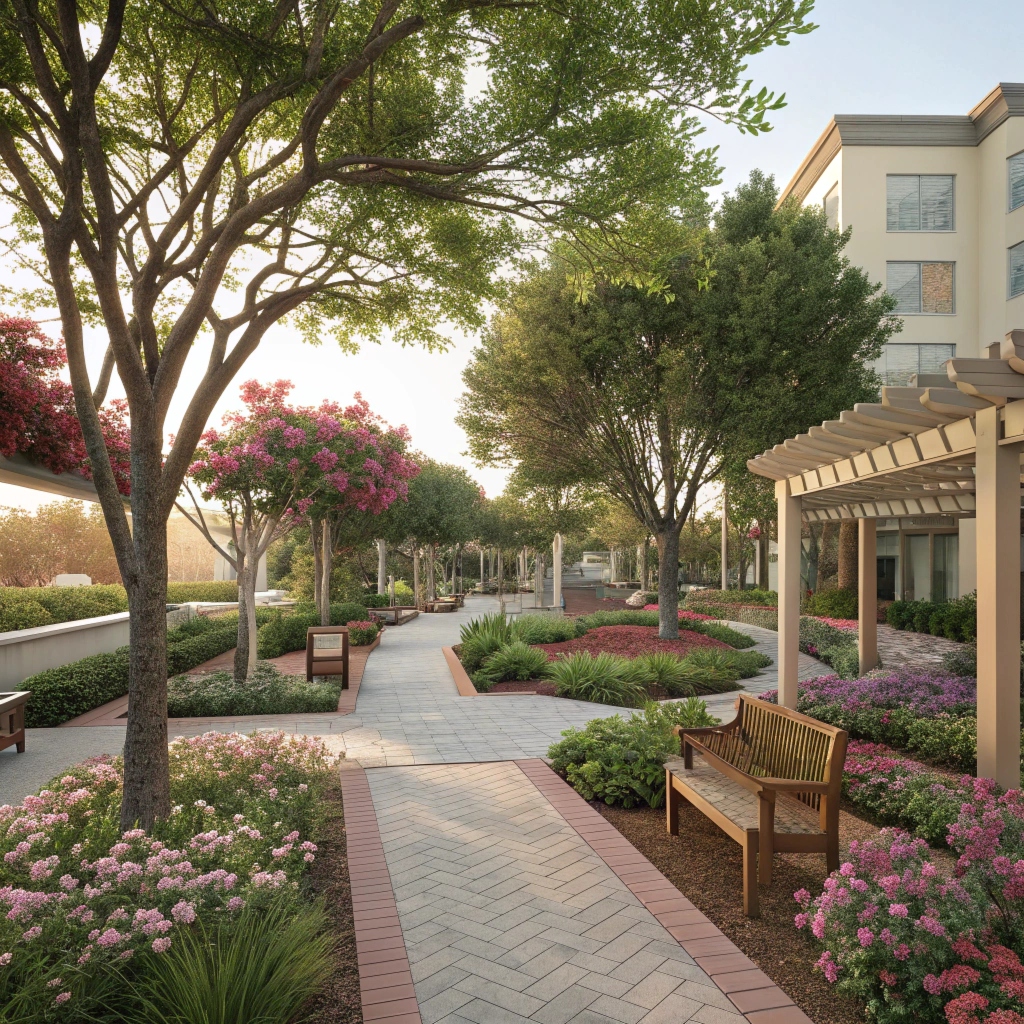
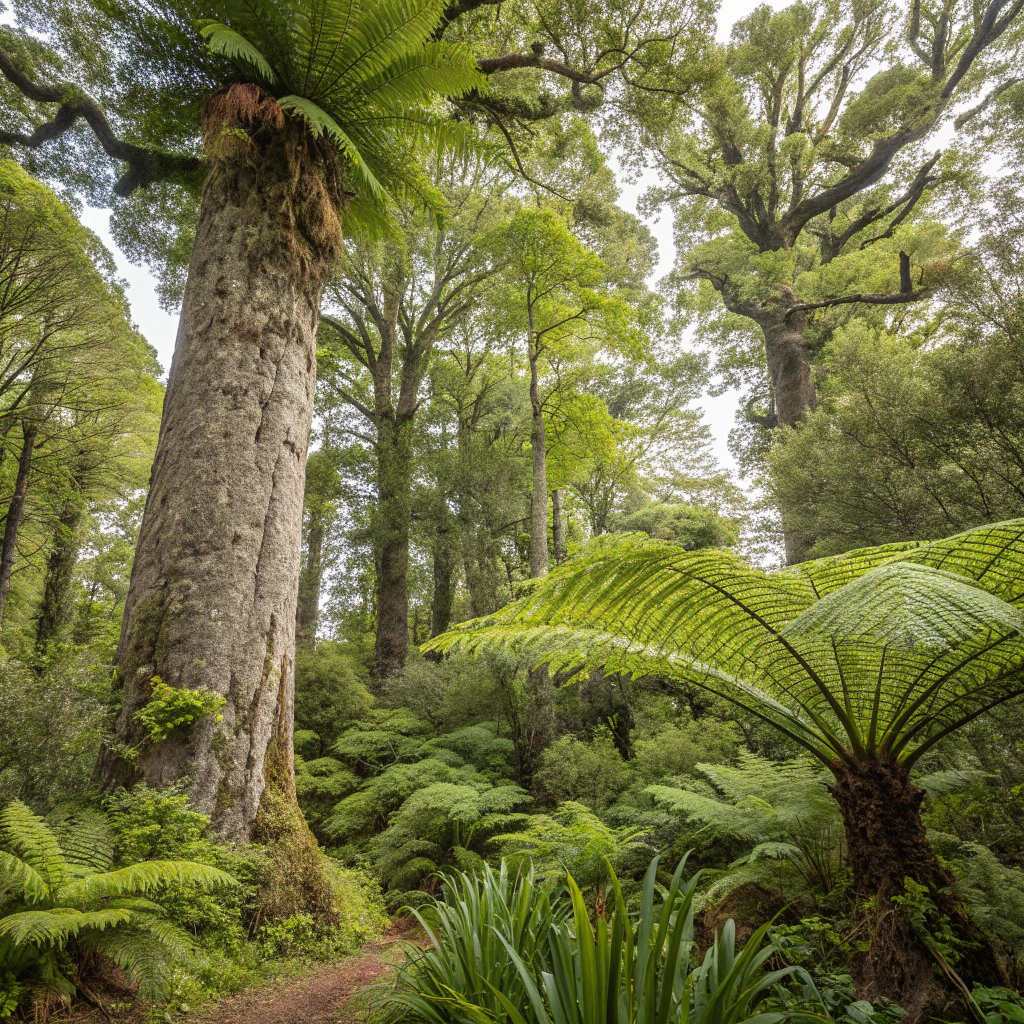
Material selection responds to local context, creating surfaces that feel connected to place and age gracefully over time.
Local Stone
Stone selections reflect the geology of the region, creating surfaces that feel connected to the surrounding landscape. Local stone provides durability while maintaining visual connection to place.
We consider how stone will weather over time, how it responds to moisture, and how its texture feels underfoot. Different stone types serve different functions: smooth surfaces for pathways, rougher textures for retaining elements, natural edges for informal boundaries.
Timber Surfaces
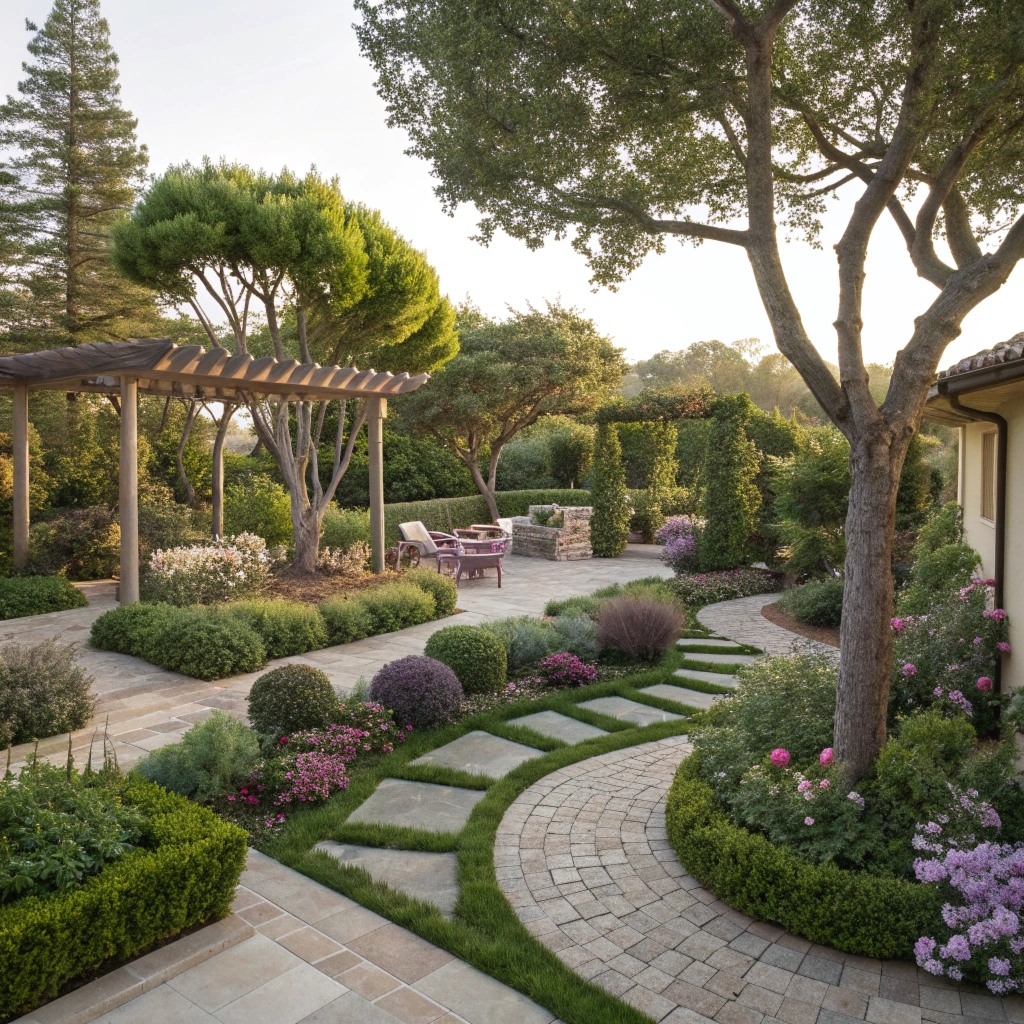
Timber provides warmth and natural texture, connecting landscapes to regional forests. We select species that are appropriate for exterior use and that age gracefully without requiring constant maintenance.
Timber surfaces can create transitions between different areas, define pathways, or provide seating and gathering spaces. The natural grain and color variation of timber adds visual interest while maintaining a restrained material palette.
Earth and Gravel
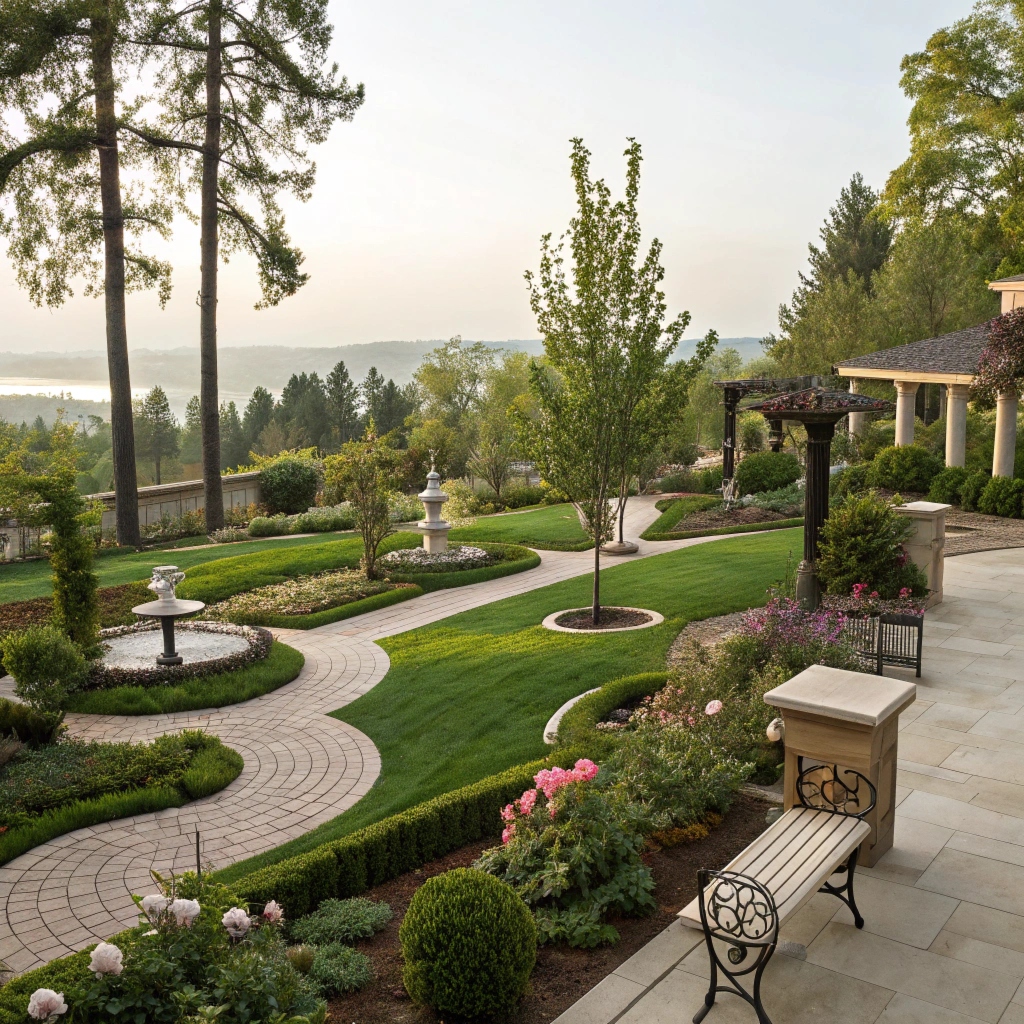
Earth-based materials provide permeable surfaces that respond naturally to weather and drainage. Gravel and decomposed materials create informal pathways and gathering areas that feel integrated with the natural landscape.
These materials allow water to percolate naturally, reducing runoff and supporting plant growth at edges. The texture and color of earth-based materials ground designs in their specific location.
Surface Texture
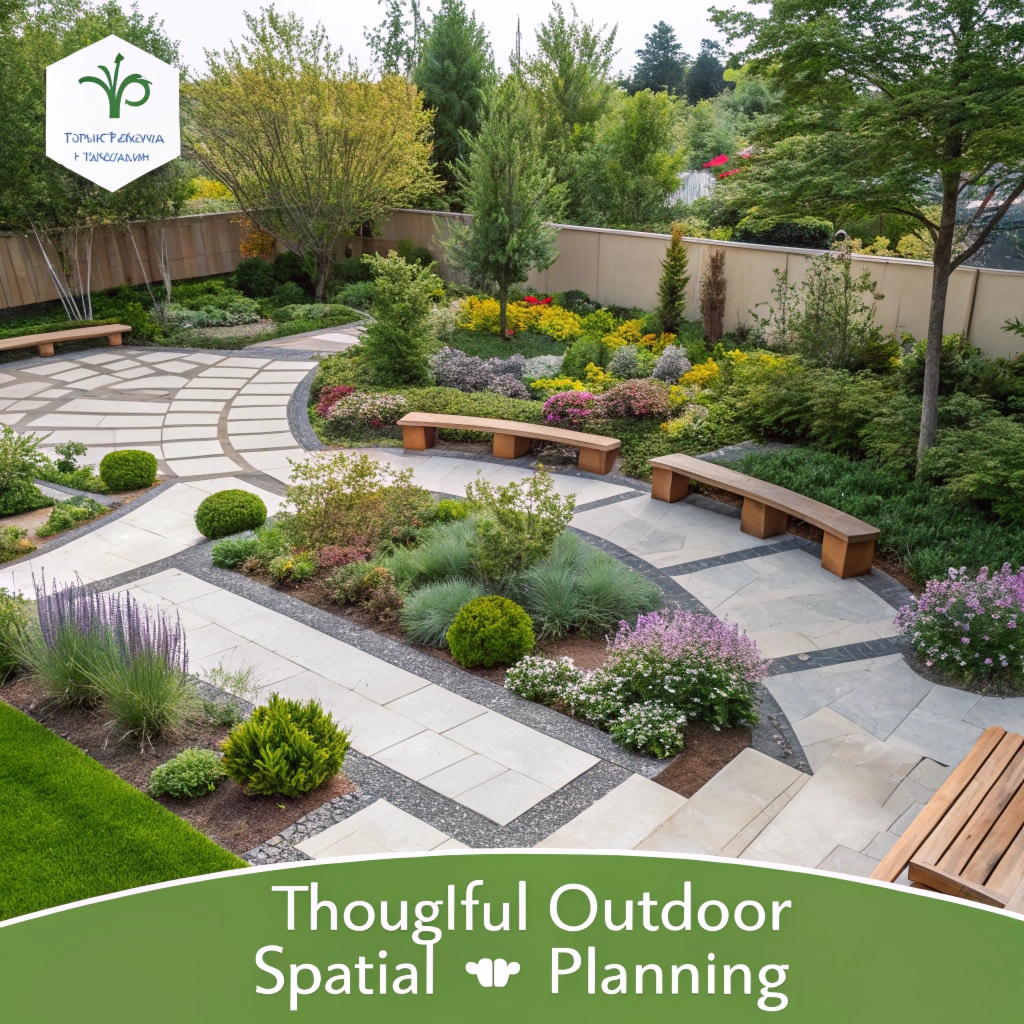
Texture becomes a primary design consideration, creating tactile experiences that change with weather and time. Smooth surfaces contrast with rough textures, creating visual and tactile interest.
We consider how materials feel underfoot, how they respond to moisture, and how they reflect or absorb light. This creates landscapes that engage multiple senses and provide rich sensory experiences.
Aging and Weathering
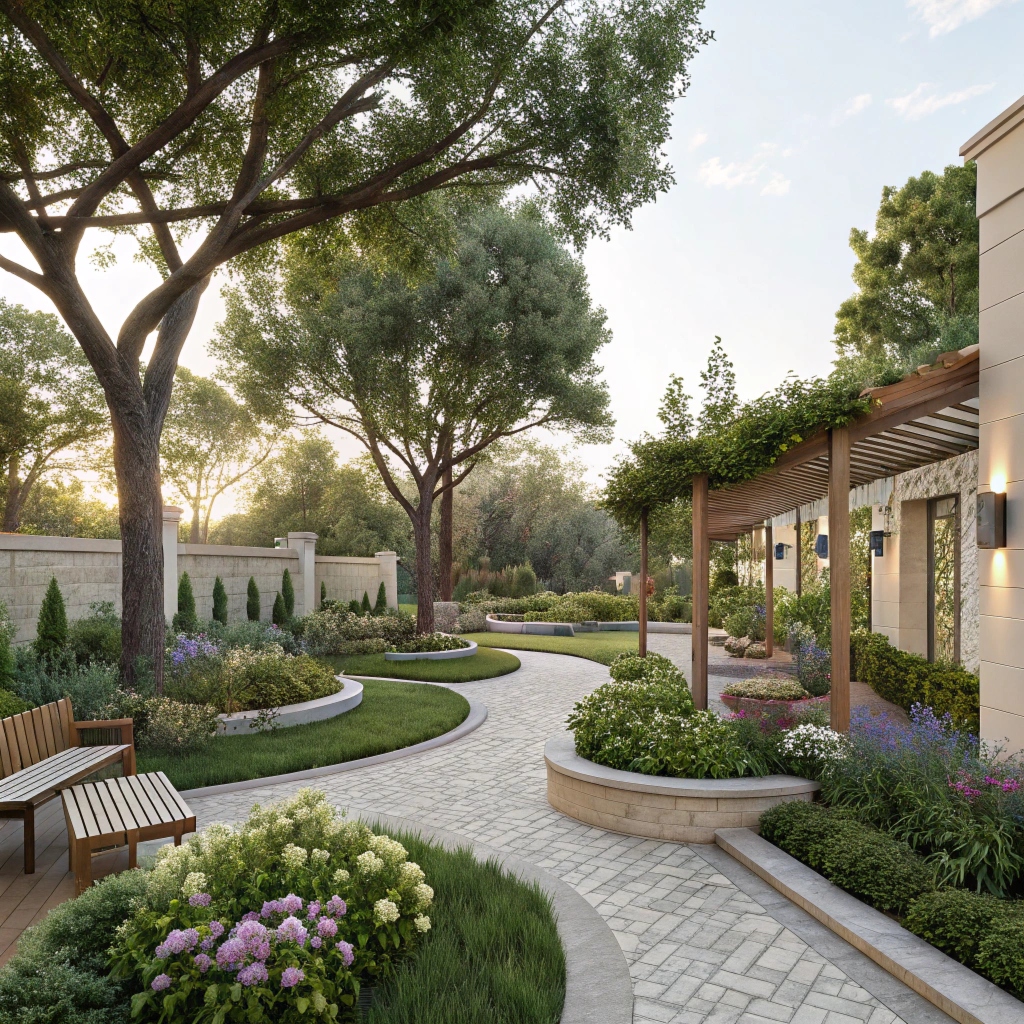
Materials are selected for how they age, with surfaces that develop character over time rather than requiring constant maintenance. Natural materials weather in ways that integrate with the landscape.
This temporal thinking informs material selection, choosing surfaces that will improve with age rather than deteriorate. The goal is to create landscapes that feel timeless and deeply connected to their context.